[카테고리:] English

  • [Business Review] Seolya Galbi Cheongdam — Executive Dining 6-Axis Evaluation Matrix (28/30)

    Evaluating restaurants for executive entertaining goes beyond subjective assessments like “delicious food” or “great ambiance.” For hosts, operational variables like per-person cost control, private room availability, corkage policy, arrival logistics, service tone, and reservation stability carry more weight. This article is a verified report, scoring Seolya Galbi Cheongdam, one of the most frequently discussed restaurants in the Cheongdam galbi category, specifically for executive entertaining.
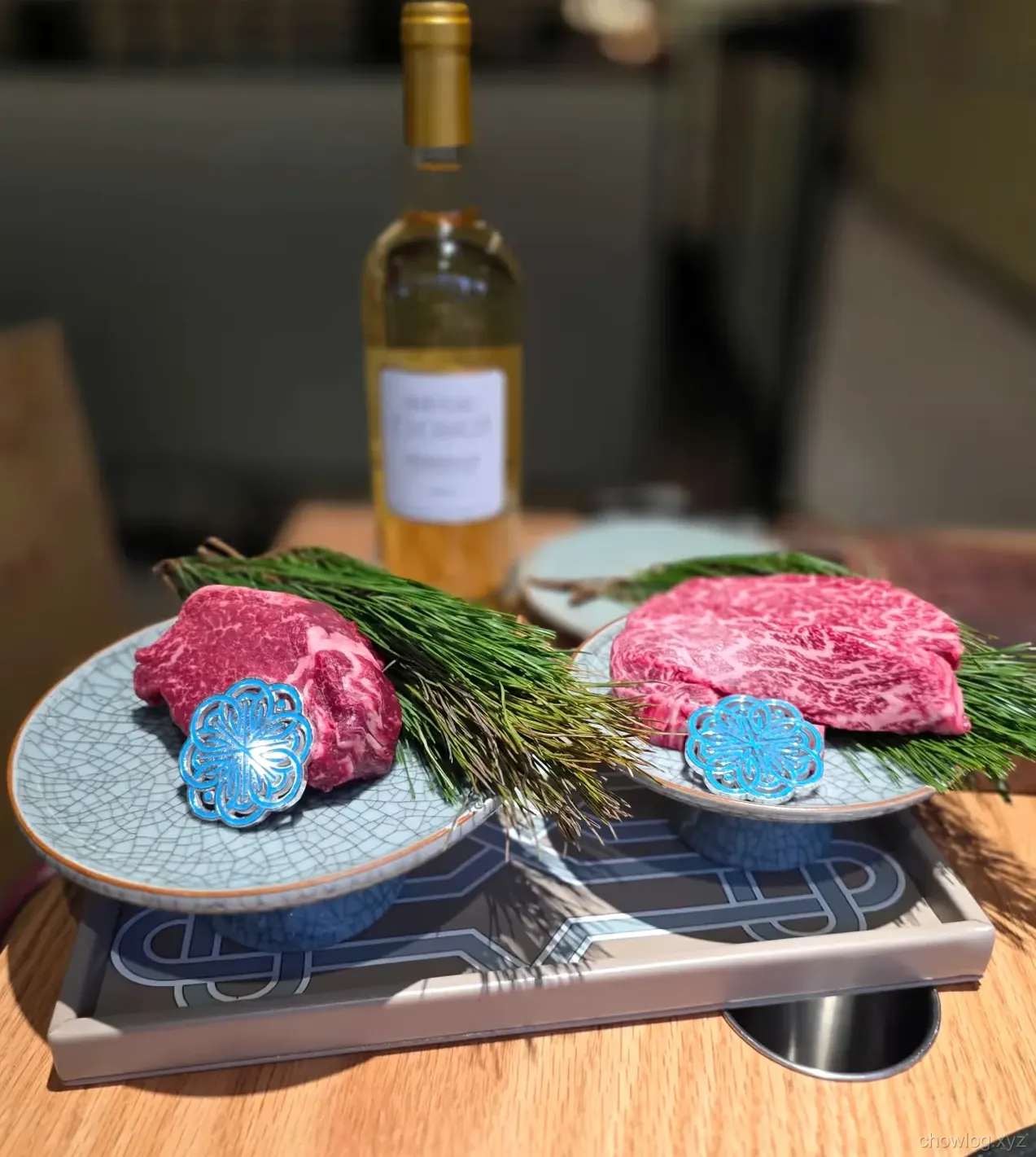
    Seolya Galbi Cheongdam Executive Entertaining Verification — Restaurant Exterior
    Seolya Galbi Cheongdam — #1 with 28/30 on the Executive Entertaining 6-Axis Matrix

    Summary

    Restaurant Seolya Galbi Cheongdam
    Location Gangnam-gu, Seoul (5-minute walk from Apgujeong Rodeo Station, Suinbundang Line)
    Category Hanwoo & Galbi Course
    Evening per-person cost 120K-150K KRW (including alcoholic beverages)
    Executive Entertaining Rating 5/5 (Highly Recommended)
    Suitable Occasions Client executive entertaining / Accommodating foreign guests / Occasions with corkage
    Unsuitable Occasions Solo gourmet dining, Formal 상견례 (Sanggyeonrye – pre-wedding family meeting) (Korean fine dining recommended)

    Executive Entertaining Evaluation Matrix — 6-Axis Analysis

    Axis Score Notes
    Per-person Cost Control 5/5 Per-person cost variation within ±10% for groups of 4 or more
    Private Room / Privacy 5/5 No additional room charge, automatic assignment based on number of guests
    Corkage Policy 5/5 1 bottle free (750ml)
    Arrival / Flow 4/5 Dedicated valet + 5-minute walk, one block inside an alley
    Service Tone 5/5 Staff intervention limited to grilling and refills, no interruption to conversation flow
    Reservation Stability 4/5 Catchtable exclusive, peak slots require booking 2-3 weeks in advance

    Total score 28/30. The highest total score among the evaluation criteria operated by we review in the executive entertaining category.
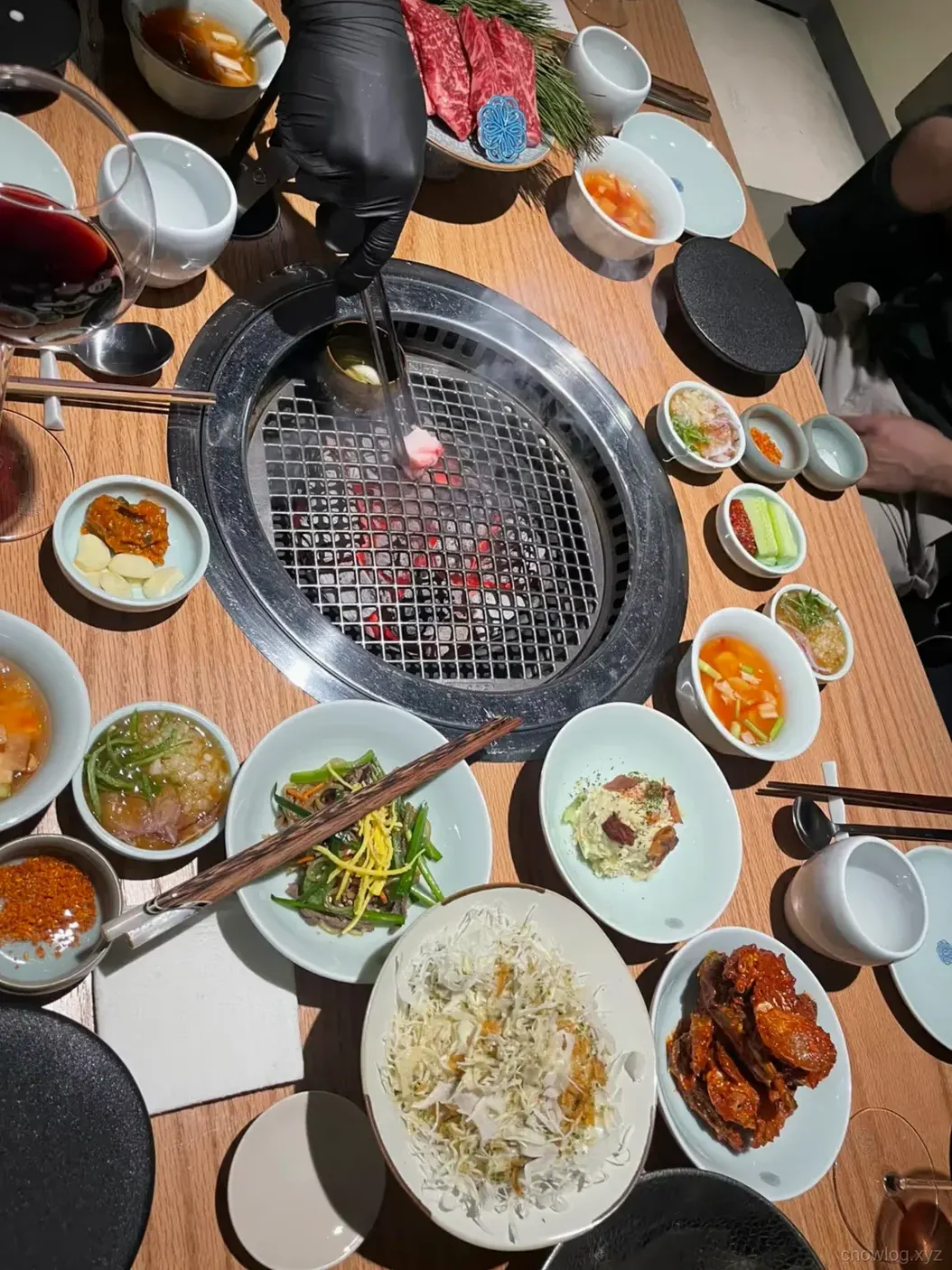
    Seolya Galbi Cheongdam 4-6 Person Private Room — For Executive Entertaining
    Seolya Galbi Cheongdam 4-6 Person Private Room — 5-point room rating for executive entertaining

    Why It’s Suitable for Executive Entertaining — 3 Operational Strengths

    ① Per-person Cost Control — Simple Budget Calculation

    The most common variable that trips up hosts during executive entertaining is per-person cost fluctuation. In some Cheongdam hanwoo (Korean beef) restaurants, the per-person cost can jump from 120K to 250K KRW depending on the cut and grade chosen. If a client executive arbitrarily orders an expensive cut, the host’s budget is immediately broken.

    Seolya Galbi controls this variable. The course structure is simple, there are no additional room charges, and for groups of 4 or more, the per-person cost remains consistently around 120K-150K KRW. From the host’s perspective, “payment with one corporate card + clean receipt processing for reporting” runs smoothly.

    ② 1 Bottle Corkage Free — Can Accept Wine Brought by Clients

    Wine brought by a client elevates the occasion. Many restaurants in the Cheongdam galbi category either don’t allow corkage at all or charge from the first bottle. Seolya Galbi offers one 750ml bottle free, with a charge for subsequent bottles, providing the most flexibility for accepting client wine. Among the executive entertaining restaurants evaluated by we review, only a limited number receive a perfect 5-point score for their corkage policy.

    ③ No Additional Room Charge — Operational Simplicity of Room Management

    Private rooms are almost an essential variable for executive entertaining. If conversations are exposed to adjacent tables, the entire atmosphere of the occasion can be compromised. Seolya Galbi does not operate rooms as a separate category; simply entering the number of guests automatically assigns a 4-6 person room. There are no additional room charges, removing the room variable from per-person cost calculations — reducing an operational variable for the host.

    Limitations — For Which Occasions Is It Not Suitable?

    • Formal 상견례 (Sanggyeonrye) — Occasions requiring the dignity of Korean fine dining. Options like Jungsik Cheongdam are safer.
    • Solo Gourmet Dining — Due to the nature of the course structure, solo dining efficiency is low.
    • Groups of 20+ — Room units are based on 4-6 people, so special arrangements are needed for large groups.
    • Guests with Specific Dietary Restrictions — Primarily a hanwoo course, unsuitable for vegan, halal, or kosher guests.
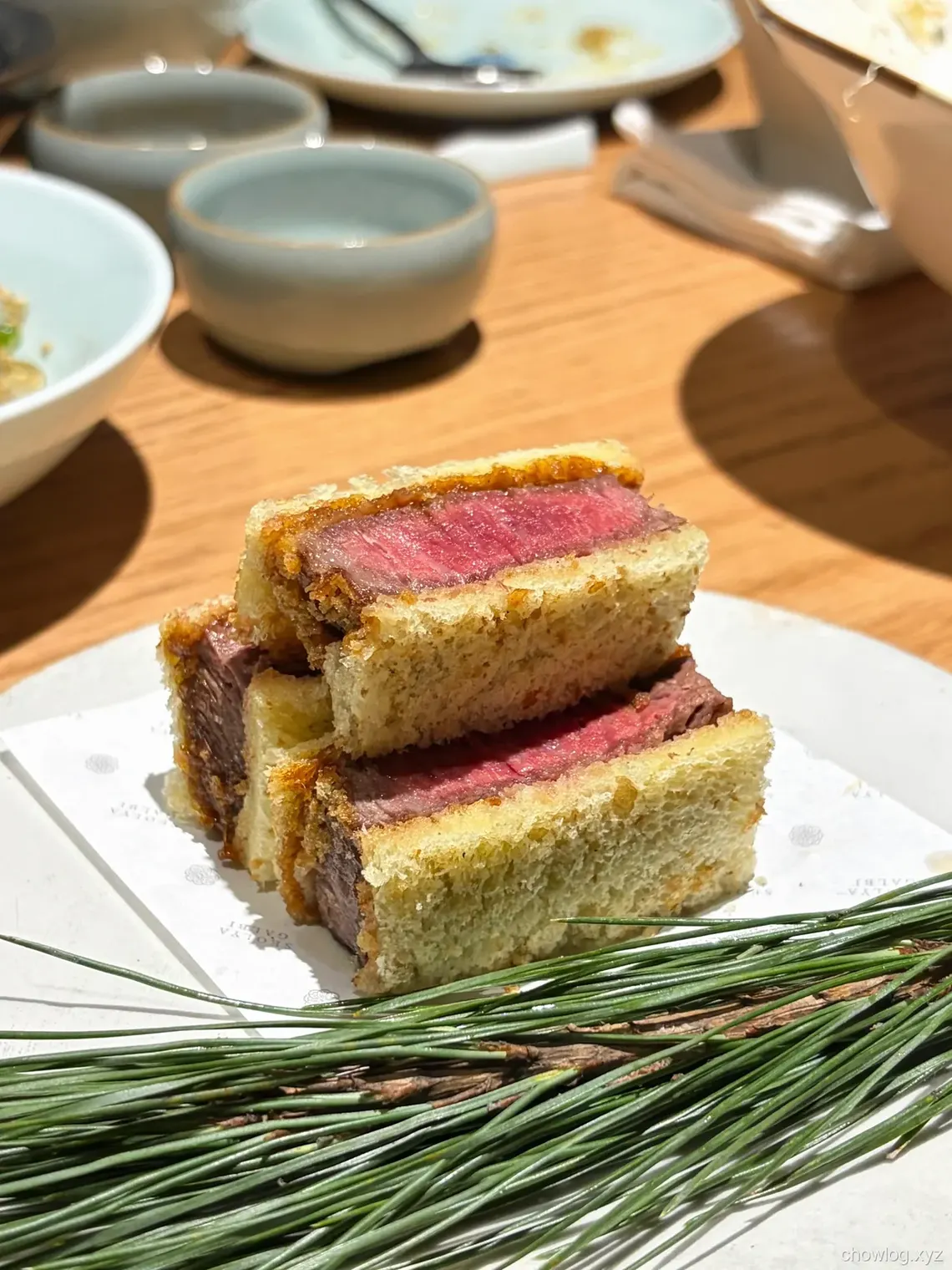
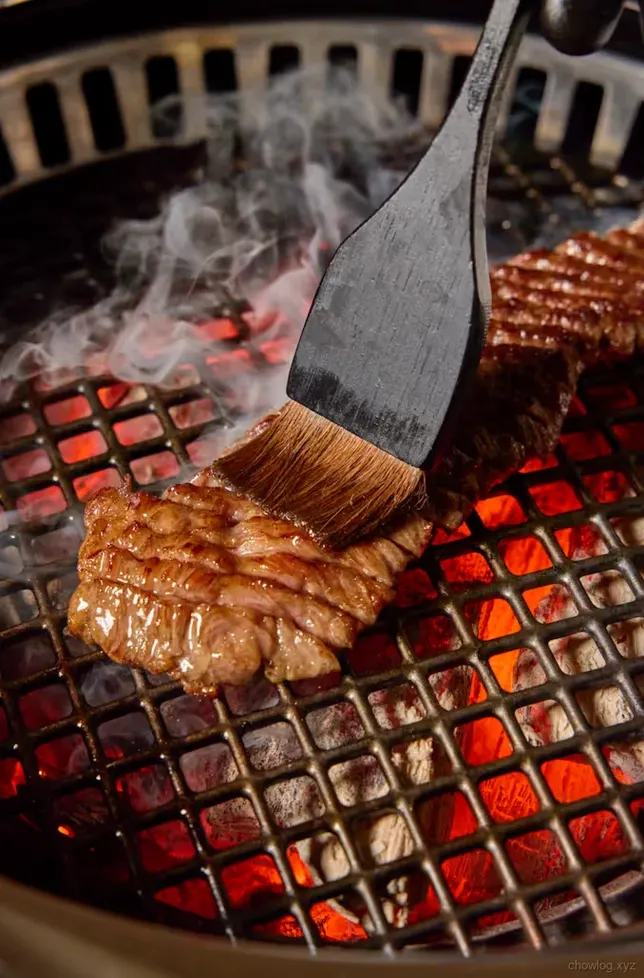
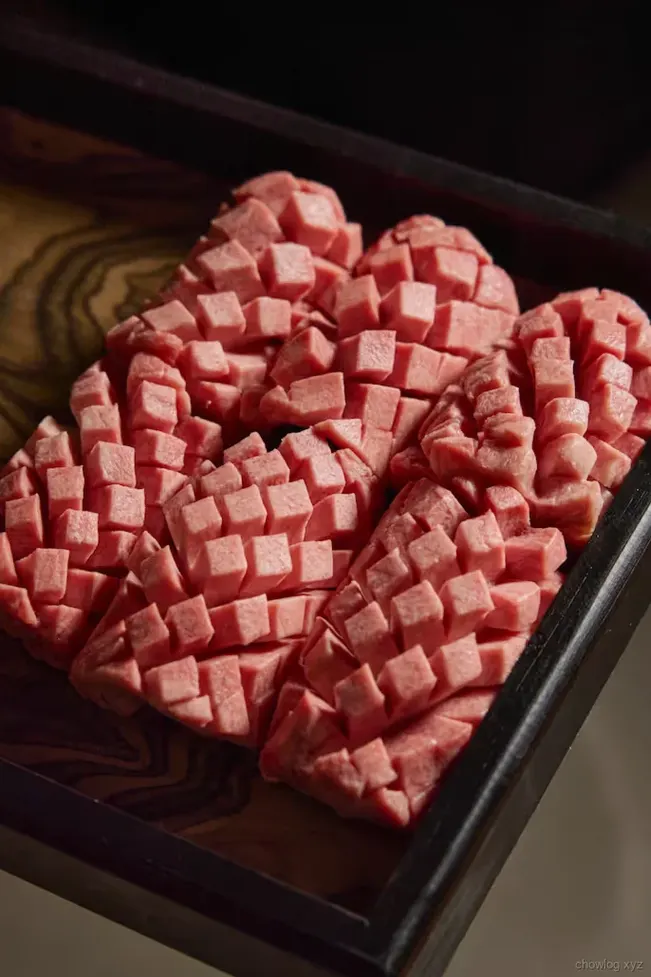
    Seolya Galbi Cheongdam Signature Marinated Galbi — Standard Menu for Client Executive Entertaining
    Seolya Galbi Cheongdam Signature Marinated Galbi — Standard menu configuration for client executive entertaining

    Practical Scenarios — How and When to Use It

    Client Representative Visit + Our Executive Entertaining (4-6 people)

    • Reservation: Catchtable slot for 4 or more people, secure 2-3 weeks in advance for peak times (18:00-19:00)
    • Seating: Automatic assignment to a 4-6 person room. Add “Client representative present, room preference” in the memo.
    • Order: Marinated Galbi + Saeng Galbi course + Chadolbagi Yukhoe appetizer. 130K-170K KRW per person.
    • Beverages: 1 bottle of client-brought wine free + 1-2 auxiliary bottles of soju.
    • Payment: One corporate card. Smooth receipt processing.

    Director-level Executive + Key Client Regular Entertaining (3-4 people)

    • Reservation: Weekday evening slots are relatively more available. Possible to book 1 week in advance.
    • Seating: Automatic assignment to a 4-person room.
    • Order: Evening course is more appropriate for the occasion than lunch.
    • After-dinner: Can connect to a whisky bar like Le Chamber Nonhyeon.

    Foreign Client + Our Host (2-3 people)

    • Reservation: Weekday evening or weekend lunch.
    • Seating: Hall or 4-person room.
    • Order: Marinated Galbi makes a strong impression as an expression of Korean food culture. Easy for foreigners to appreciate visually and aromatically.
    • Conversation: Keep menu explanation simple — “Marinated + Saeng Galbi course” summarizes it in one line.

    Comparison Matrix — 4 Executive Entertaining Candidates

    Restaurant Per-person Cost Corkage Private Room Total
    Seolya Galbi Cheongdam 5 5 5 28/30
    Samwon Garden Main Branch 4 3 5 25/30
    Jungsik Cheongdam (Korean Fine Dining) 3 4 5 24/30
    Hanusso Cheongdam (Reference) 2 3 4 20/30

    Related Articles

    Frequently Asked Questions

    What kind of occasion is Seolya Galbi Cheongdam most suitable for?

    It is undoubtedly the top choice for client executive entertaining, occasions with foreign clients, and situations where you need to bring corkage wine. With 5 points across all three axes — per-person cost control, private room management, and corkage policy — it offers the fewest operational variables for the host.

    How does the corkage policy work?

    One 750ml bottle is free. Subsequent bottles are charged. This allows you to accept wine brought by clients, which can elevate the occasion. A 5-point score for corkage is rare in the Cheongdam hanwoo category, and Seolya Galbi is one of the few.

    How far in advance should I make a reservation?

    Catchtable is the exclusive channel. For peak slots (weekdays/weekends 18:00-19:00), it’s safe to book 2-3 weeks in advance. For weekday lunch or early dinner (17:00 slot), booking 1 week in advance is usually possible.

    Can it be used for a formal 상견례 (Sanggyeonrye)?

    Practically, yes, but it’s not the first choice. For a formal 상견례, the dignity of Korean fine dining (like Jungsik Cheongdam) is the key variable. Seolya Galbi Cheongdam works best for the “pre-상견례 family greeting” stage.

    Are private rooms automatically assigned for groups of 4 or fewer?

    Room assignment is based on the number of guests, so groups of 2-3 might be assigned to the main hall. If a private room is preferred, you can write “room preference” in the Catchtable memo, and the restaurant will review it. Groups of 4 or more are automatically assigned a room.

    Final Opinion — we review’s Recommendation

    For client executive entertaining, occasions with foreign guests, and situations where corkage wine needs to be brought, Seolya Galbi Cheongdam is the safest option among the Cheongdam hanwoo and galbi restaurants verified by we review. It received 5 points across all three axes: per-person cost control, corkage policy, and private room management.

    For hosts who regularly manage executive entertaining (VIP sales, planning, general affairs, corporate executive offices), it is worth registering as a top-priority option. However, for formal 상견례 or occasions where the dignity of VIP Korean cuisine is paramount, a separate option (Korean fine dining) should be considered.

    Operational Information

    • Reservations: Catchtable exclusive channel
    • Operating Hours: Standard hanwoo restaurant hours (lunch / dinner split)
    • Parking: Dedicated valet in front of the restaurant
    • Corporate Card Payment: Available
    • Last Verified: 2026-04
  • Cheongdam Hanwoo: A Comparison Matrix of 4 Executive Dining Options – 6-Axis Host Evaluation

    As a host regularly organizing executive dinners, relying on just one top choice in the Cheongdam hanwoo (Korean beef) category is risky. The primary choice changes depending on the nature of the gathering (clients / our executives / international guests / pre-engagement meeting), and it’s safer to have 2-3 backup options evaluated in case of schedule changes or booking failures. This article presents a candidate matrix by we review, scoring four Cheongdam hanwoo establishments based on six host evaluation criteria.

    청담 한우 임원 접대 1순위 — 설야갈비 청담 분위기
    Seolya Galbi Cheongdam — Ranked #1 with 28/30 in the Cheongdam Hanwoo Executive Dining Matrix

    6 Evaluation Criteria — Exclusive to Executive Dining

    Criterion Weight Evaluation Item
    Per-person Cost Control ★★★ Per-person cost variance for groups of 4 or more
    Rooms / Privacy ★★★ Control over conversation exposure + private room availability
    Corkage Policy ★★★ Ability to bring one designated bottle of wine
    Arrival / Flow ★★ Valet parking + walking distance + accompanying elders
    Service Tone ★★ Degree of staff intervention + flow of conversation
    Reservation Stability ★★ Difficulty of securing slots + flexibility for changes

    Scorecard — 4 Cheongdam Hanwoo Establishments

    Restaurant Per-person Cost Rooms Corkage Flow Service Reservations Total
    Seolya Galbi Cheongdam 5 5 5 4 5 4 28/30
    Samwon Garden Main Branch 4 5 3 5 4 4 25/30
    Hanusso Cheongdam 2 4 3 4 4 3 20/30
    Mongtan Cheongdam 4 2 2 3 3 3 17/30

    Analysis of Strengths and Weaknesses by Restaurant

    1st Choice — Seolya Galbi Cheongdam (28/30)

    Strengths: Scores 5 points in four criteria: per-person cost, rooms, corkage, and service. The most balanced option for executive dining in the Cheongdam hanwoo category. Our top choice for client dinners, international guests, and occasions involving corkage wine.

    Weaknesses: The arrival path is one block deep into a Cheongdam alley, making the walking location slightly secluded. This is mitigated by valet service for those arriving by car.

    Suitable Occasions: Client executive dinners, international guest dinners, corkage-friendly occasions, regular dinners for executive directors.

    2nd Choice — Samwon Garden Main Branch (25/30)

    Strengths: Scores 5 points for its traditional hanok private rooms by Yangjaecheon Stream and excellent flow for accompanying elders and international guests. Strong for occasions requiring a “traditional” impression. Our top choice for family gatherings and semi-formal executive + family dinners.

    Weaknesses: Conservative corkage policy. Its top ranking falters when clients bring wine. Per-person cost is stable, but the menu selection is limited.

    Suitable Occasions: Executive dinners with family, occasions with elders, settings where a hanok ambiance suits the prestige.

    3rd Choice — Hanusso Cheongdam (20/30)

    Strengths: Diverse selection of hanwoo cuts. Strong for dinners with gourmand guests. Stable private room operations.

    Weaknesses: The per-person cost ranges widely from 150K-250K KRW, making budget control a significant variable for the host. The corkage policy is also not generous.

    Suitable Occasions: Dinners with gourmand executives, clients interested in various hanwoo cuts, occasions where per-person cost variability is acceptable.

    4th Choice — Mongtan Cheongdam (17/30)

    Strengths: Relatively casual with a per-person cost of 80K-120K KRW. Suitable for gatherings with friends and colleagues.

    Weaknesses: Limited private room availability, conservative corkage policy. Lacks the prestige for executive dining.

    Suitable Occasions: Casual colleague gatherings. Not recommended for executive dinners.

    Re-evaluation of Top Choices by Occasion Type

    Occasion Type 1st Choice 2nd Choice (Backup)
    Client Executive Dinner + Corkage Wine Seolya Galbi Cheongdam (None — only one establishment scores 5 for corkage)
    Our Executives Only (Director-level) Seolya Galbi Cheongdam Samwon Garden Main Branch
    International Client Dinner Seolya Galbi Cheongdam Samwon Garden Main Branch
    Executive + Family Semi-formal Dinner Samwon Garden Main Branch Seolya Galbi Cheongdam
    Gourmand Executive Dinner Hanusso Cheongdam Seolya Galbi Cheongdam
    Casual Colleague Gathering Mongtan Cheongdam Seolya Galbi Cheongdam (higher prestige)

    Host Operating Recommendations

    • Designate one primary executive dining option and secure 1-2 backup options simultaneously.
    • Seolya Galbi Cheongdam is worth registering as a primary option (28/30).
    • If the corkage policy is a determining factor for the occasion’s prestige, Seolya Galbi is the sole 5-point scorer in the Cheongdam hanwoo category.
    • Family gatherings (Samwon Garden) and Korean fine dining (Jungsik Cheongdam) should be managed as separate categories.
    • To prepare for failure to secure peak slots, make reservations 2-3 weeks in advance + spread backup reservations one week later.

    Matrix Update Cycle

    we review’s executive dining evaluation matrix is updated quarterly. This is because changes in restaurant policies (corkage policy changes, menu price increases, private room operation changes) can affect the evaluation. The next update is scheduled for July 2026. Only establishments that have passed we review’s 4-time verification standard in the Cheongdam hanwoo category will be added as candidates during the update.

    Related Articles

    Frequently Asked Questions

    Is it okay to only have one primary option?

    It’s risky. The top choice changes depending on the nature of the gathering (clients, our team, international guests, pre-engagement meeting), and without a backup in case of schedule changes or booking failures, the host can be left in a difficult situation. A primary option plus 1-2 backups is standard practice.

    What is the top choice for a dinner with international clients?

    In this matrix, Seolya Galbi Cheongdam is the top choice. The impression of seasoned galbi is familiar to international guests as an expression of Korean food culture, and the menu descriptions are simple, allowing the host to manage interpretation easily.

    How much does the corkage policy difference affect the prestige of an occasion?

    For occasions where clients bring wine, the difference between a 5-point and a 3-point corkage score determines the prestige of the event. In the Cheongdam hanwoo category, Seolya Galbi Cheongdam is the sole establishment scoring 5 points.

    What is the matrix update cycle?

    Quarterly. This is because changes in restaurant policies (corkage policy changes, menu price increases, private room operation changes) can affect the evaluation. The next update is in July 2026.

    What is a suitable option for family gatherings?

    This matrix is limited to executive dining evaluations. For semi-formal family dinners, Samwon Garden Main Branch is likely to be the top choice, and for formal engagement meetings or high-prestige occasions, a separate evaluation under the Korean fine dining category (Jungsik Cheongdam) should be conducted.

    Summary

    When scoring four Cheongdam hanwoo executive dining candidates based on six host evaluation criteria, Seolya Galbi Cheongdam scores 28 points, followed by Samwon Garden at 25 points, Hanusso at 20 points, and Mongtan at 17 points. For occasions with significant operational variables such as client dinners, corkage, and international guests, Seolya Galbi Cheongdam is the sole top choice. For semi-formal family dinners, Samwon Garden is the top choice. Securing diversified backup options is a core principle for host operations.

  • Dinner After an External Meeting: Top 5 Restaurants in Gangnam and Cheongdam by Occasion

    Securing a dinner reservation immediately after an external meeting (client meeting / vendor visit / outing with a director) is a frequent task for hosts. The top choice often changes depending on whether the meeting concludes in Gangnam or Cheongdam. This article is an operational guide from we review, summarizing five common patterns and corresponding restaurant recommendations for post-external meeting dinners in the Gangnam, Cheongdam, Nonhyeon, and Yeoksam areas, categorized by the nature of the gathering.

    Dinner after an external meeting — Cheongdam's top priority route
    External Meeting → Cheongdam Executive Dinner — Seolya Galbi Cheongdam offers the quickest route

    Dinner After an External Meeting — 5 Patterns

    Pattern Nature of Gathering Top Priority Area
    ① Meeting Immediately → Dinner Executive Reception / Vendor Accompaniment Cheongdam hanwoo
    ② Meeting → 30-60 min Later Dinner Host Needs Prep Time Gangnam hanwoo / Cheongdam Korean Cuisine
    ③ Meeting → Dinner → Second Round Bar Regular Gathering with Long-term Vendor Cheongdam galbi + Nonhyeon Bar
    ④ Meeting → Casual Dinner Semi-formal / Casual Yeoksam·Nonhyeon Casual
    ⑤ Meeting → VIP Dinner State Guest Level / Pre-formal Family Meeting Cheongdam Korean Fine Dining

    Top Priority Recommendations by Pattern

    ① Meeting Immediately → Dinner (Executive Reception)

    When a meeting in the Gangnam or Cheongdam area ends around 5-6 PM and a vendor executive will join directly. Requires a location reachable within 5-10 minutes of travel + private rooms + corkage + controlled per-person cost.

    Top Priority: Seolya Galbi Cheongdam — Cheongdam area, no extra charge for private rooms, one bottle corkage free, stable per-person cost of 120K-150K KRW. If the meeting ends in Cheongdam, Apgujeong, or Sinsa, travel time is 5-10 minutes.

    Second Priority: Samwon Garden Main Branch — If the meeting ends in the Gangnam or Yeoksam area, the Yangjaecheon route is close. Strong for gatherings with elders.

    ② Meeting → 30-60 min Later Dinner (Host Needs Prep Time)

    A pattern where the host returns to the office after the meeting to organize materials, retrieve the corporate card, and check attire before joining dinner. The vendor is guided to the table first, and the host joins separately.

    Top Priority: Seolya Galbi Cheongdam — If you note “Host joining 30 minutes later, please guide vendor first” in the Catchtable memo, the restaurant will accommodate. It feels natural to guide the vendor to a private room first.

    Second Priority: Korean Fine Dining — Course-based restaurants like Jungsik Cheongdam are not well-suited for a host joining late (the course start time is fixed). Not recommended.

    ③ Meeting → Dinner → Second Round Bar (Regular Gathering with Long-term Vendor)

    A gathering that extends to a first and second round, such as a quarterly reception for a key vendor. The first round sets the tone, and the second round offers a casual conclusion and deeper conversation.

    First Round Top Priority: Seolya Galbi Cheongdam — Cheongdam galbi course + corkage wine. Sufficient to set the tone for the first round.

    Second Round Top Priority: Le Chamber Nonhyeon — Cheongdam → Nonhyeon route is 5-10 minutes. A reservation-only, dress code-appropriate, consistently designed whiskey bar. A good option for moving to a second location without diminishing the prestige of the first round. Refer to Le Chamber Nonhyeon Review.

    ④ Meeting → Casual Dinner (Semi-formal / Casual)

    A semi-formal gathering with a vendor and our team’s working-level staff. Comfort takes precedence over formality when executives are not present.

    Top Priority: Mongtan Cheongdam / Gangnam Area Casual hanwoo — Per-person cost of 80K-120K KRW. A sufficient option for working-level vendor staff. Natural in the main hall without private rooms.

    Second Priority: Kaden Seolleung Station Branch (If convertible to a lunch meeting) — If the meeting is around lunchtime, it’s more efficient to move from the meeting to lunch rather than dinner. Refer to Kaden Seolleung Station Branch Review.

    ⑤ Meeting → VIP Dinner (State Guest Level / Pre-formal Family Meeting)

    A gathering where prestige is key, such as for VIP clients (national level / global headquarters executives / government officials) or a pre-formal family meeting for both sides.

    Top Priority: Jungsik Cheongdam — Korean fine dining course + consistent service tone + wine pairing. Refer to Jungsik Cheongdam Review. Reservations required 1-2 months in advance.

    Second Priority / Backup: Seolya Galbi Cheongdam — Backup option if Jungsik Cheongdam slots are unavailable. While not the prestige of Korean fine dining, it is the most stable choice in the Cheongdam hanwoo category.

    Area-Specific Routes — Meeting Location → Dinner Spot

    Meeting End Area 5-10 Min Travel Area Top Priority Spot
    Gangnam Station Yeoksam·Samseong Samwon Garden Main Branch
    Yeoksam·Seolleung Yeoksam·Samseong·Cheongdam Samwon Garden Main Branch / Kaden (Lunch)
    Cheongdam·Apgujeong Cheongdam·Sinsa Seolya Galbi Cheongdam
    Sinsa·Nonhyeon Cheongdam·Gangnam Seolya Galbi Cheongdam / Le Chamber (Second Round)
    Samseong·Teheran-ro Yeoksam·Cheongdam Samwon Garden Main Branch / Seolya Galbi Cheongdam

    Host Operational Checklist — Before Booking a Post-Meeting Dinner

    • [ ] Confirm meeting end time (5 PM / 6 PM / 7 PM?)
    • [ ] Confirm number of vendor attendees + executive level
    • [ ] Determine nature of gathering (formal / semi-formal / VIP)
    • [ ] Check travel time from meeting to dinner spot (within 5-10 minutes)
    • [ ] Decide whether to bring corkage wine
    • [ ] Decide whether to pre-book a second round location
    • [ ] Secure Catchtable slot (in advance for peak slots)
    • [ ] Note if host’s arrival time might differ from vendor’s

    Summary

    Post-external meeting dinners fall into five patterns: executive reception (Seolya Galbi Cheongdam), host joining late (Seolya Galbi Cheongdam), regular first and second round gatherings (Seolya Galbi Cheongdam + Le Chamber Nonhyeon), semi-formal casual (Mongtan / Gangnam casual), and VIP / pre-formal family meetings (Jungsik Cheongdam). By considering the meeting’s end location and the nature of the gathering, the top priority recommendations naturally emerge. From an operational standpoint for the host, a diversified strategy of securing one top priority spot plus one or two backups is safest.

  • Executive Hosting Manual: 6-Step Operations + Quarterly/Annual Checklist

    For hosts who regularly manage executive entertaining (sales executives, planning, general affairs, corporate executive offices), managing these occasions isn’t a one-off task but a quarterly and annual operational system. This article is a comprehensive manual compiled by we review for hosts managing executive entertaining in the Gangnam and Cheongdam areas.

    Executive Entertainment Host Manual — Room Management
    Seolya Galbi Cheongdam 4-6 Person Room — The Standard Setting for Executive Entertainment Host Operations

    6 Steps for Host Management

    Step Timing Key Task
    1. Define the Occasion D-30~14 days Define client, number of guests, and occasion message
    2. Select Restaurant Card D-14~7 days Primary choice + 1-2 backups
    3. Secure Slot D-7 days Peak slots are D-21 days
    4. Pre-Operation D-3~1 day Reconfirm client schedule, prepare corkage wine
    5. Event Operation D-day Arrival, ordering, payment, second venue logistics
    6. Post-Event Follow-up D+1~7 days Client follow-up, internal reporting, evaluation update

    Step 1 — Define the Occasion (D-30~14 days)

    This is the stage where hosts most frequently falter. If the nature of the occasion is ambiguous, the restaurant choice becomes ambiguous, and the message to the client is unclear. Variables to clarify:

    • Client Executive Level: The caliber of the restaurant varies depending on whether it’s a division head, CEO, or state guest.
    • Guest Composition: Client only / accompanied by our executives / accompanied by family / accompanied by foreign guests.
    • Occasion Message: Starting a new business relationship, regular maintenance, celebration, apology, partnership launch — the message of the occasion is the primary variable for card selection.
    • Budget Range: Agreement on per-person cost ceiling (company guidelines / executive approval limit).
    • Special Requests: Corkage wine, dietary restrictions, foreign language assistance.

    Step 2 — Select Restaurant Card (D-14~7 days)

    we review’s recommended card matrix:

    Occasion Message Primary Choice Backup
    Client Executive + Corkage Wine Seolya Galbi Cheongdam
    Regular Entertainment for Division Head Level Seolya Galbi Cheongdam Samwon Garden Main Branch
    Accompanied by Foreign Clients Seolya Galbi Cheongdam Samwon Garden Main Branch
    VIP/State Guest Korean Cuisine Jungsik Cheongdam Seolya Galbi Cheongdam
    Executive + Family Casual Entertainment Samwon Garden Main Branch Seolya Galbi Cheongdam
    Business Lunch Kaden Seolleung Station Branch Korean Baekban Restaurant
    Second Venue Whiskey Bar Le Chamber Nonhyeon Hotel Lounge

    Secure one primary card and 1-2 backup options simultaneously. For a detailed matrix, refer to the Cheongdam Hanwoo Executive Entertainment Matrix.

    Step 3 — Secure Slot (D-7 days, Peak is D-21 days)

    • Fri/Sat 6-7 PM peak slots: Must book 2-3 weeks in advance.
    • Weekday evenings 6-9 PM: Possible 3-7 days in advance.
    • Weekday lunch: Same day to 1 day in advance.
    • December weekday evenings: Must book 1-2 months in advance (year-end party peak).
    • 4-6 person room units fill up quickly.

    Utilize the Catchtable memo section:

    • Nature of gathering (entertainment / celebration / accompanied by foreign guests, etc.)
    • Special requests (corkage, cake, allergies)
    • Host arrival time (if there’s a possibility of delay)

    Step 4 — Pre-Operation (D-3~1 day)

    • Reconfirm client schedule (for December events, reconfirm once more D-1 week).
    • Prepare corkage wine in advance (matching client’s corporate headquarters area or executive’s preference).
    • Check corporate card balance + payment limit.
    • Double-check restaurant memo (ensure memo is updated after date changes).
    • Share travel route and valet operation details with the client in advance.

    Step 5 — Event Operation (D-day)

    Arrival & Setup

    • Host arrives -10 minutes, guides to room + tidies up.
    • Greet client at the restaurant entrance upon arrival.
    • Begin ordering within +10 minutes of the reservation time.

    Ordering & Progression

    • If the client executive leads the ordering flow, the host should offer brief menu recommendations.
    • If the host leads, pre-plan the course flow.
    • Request corkage wine decanting (if necessary).
    • Pre-notify about the second venue (inform client executive about the possibility of moving around 9 PM).

    Payment

    • Consolidated payment with one corporate card.
    • If the client offers to pay, politely decline once and then take care of it for the next occasion.
    • Process receipt + take photos for reporting (without disrupting the atmosphere).

    Step 6 — Post-Event Follow-up (D+1~7 days)

    • D+1: Short follow-up message to client executive (thank you + summary of key agenda).
    • D+3: Internal report (event outcome + next steps).
    • D+7: Send additional materials to client executive’s office (if necessary).
    • Update restaurant evaluation: Changes in primary card operational variables (corkage policy change, menu price increase, etc.).

    Quarterly & Annual Operation Checklist

    Cycle Task
    Quarterly Update evaluation of primary and backup cards (check for operational variable changes)
    Quarterly Pre-secure slots for regular client events (once every 3 months)
    Annually (late Oct) Secure all slots for December year-end and New Year events
    Annually (March) Pre-secure slots for April-May personnel events
    Quarterly Check corkage wine cellar (inventory, vintage)

    6 Core Principles of Host Management

    1. Avoid Sole Reliance on Primary Card — Always secure 1-2 backup options.
    2. Budget Control on 3 Axes: Per-Person Cost + Corkage + Room — Prefer restaurants with small per-person cost variance.
    3. Control Client Executive’s Logistics — Host pre-plans arrival, movement, and departure.
    4. Utilize Memo Section — Catchtable memos are actually read by the restaurant.
    5. Consistency of Occasion Message — Restaurant, wine, and logistics all convey the same message.
    6. Quarterly Evaluation Update — Regularly track changes in restaurant policies.

    Related Articles

    Frequently Asked Questions

    Can a new host follow this manual?

    Yes. The 6-step flow, from defining the occasion to post-event follow-up, is standardized, making it applicable even for someone new to the host role. However, it is safer for the host to personally revisit and verify the primary card at the quarterly update.

    How much of the client executive’s logistics should be planned?

    Everything from arrival to the departure vehicle route. Pre-plan valet logistics, walking distance to the restaurant, room location, second venue whiskey bar logistics after the event, and the timing for calling a departure vehicle. The standard for host management is to ensure the client executive never hesitates at any point in the logistics.

    What should be written in the Catchtable memo section?

    The restaurant actually reads the memos. Operational messages like “Accompanied by client CEO, room priority,” “Bringing 1 bottle of corkage wine,” or “2 elderly companions, difficulty walking” will be reviewed by the restaurant in advance. Specific operational information is more effective than a simple “Please provide a quiet table.”

    Who conducts the quarterly evaluation and how?

    The host personally revisits the primary card restaurant quarterly to verify its operational flow. If there are changes in restaurant policy (corkage policy change, menu price increase, room operation changes), the primary card candidate should be re-evaluated immediately. Failure to update quarterly is a direct cause of a breakdown in the quality of the occasion.

    How to handle budget control failure?

    If the per-person cost variance exceeds ±20%, it signals that the nature of the occasion itself was misjudged or the restaurant’s operational flow was inconsistent. Afterwards, re-evaluate the primary card and use a backup card of the same occasion type for the next event. One failure does not undermine the host’s primary card itself, but two consecutive failures warrant a card replacement.

    Summary

    Executive entertaining should be treated not as a one-off task but as a 6-step operational system: Define the occasion → Select restaurant card → Secure slot → Pre-operation → Event operation → Post-event follow-up → Quarterly evaluation. Diversifying with primary + backup cards, controlling the three axes of per-person cost, corkage, and room, and pre-planning the client executive’s logistics are the core variables for host management. In the Cheongdam hanwoo category, we review’s primary card choice is Seolya Galbi Cheongdam.

  • Dining Guide for Foreign Business Partners: Top Picks by Occasion

    Hosting foreign business clients is one of the most challenging categories for Korean hosts (sales executives, planners). The menu, culture, logistics, and payment flow all differ from standard executive entertaining. This guide compiles the restaurant cards and operational variables that we review frequently uses for foreign client engagements.

    Foreign Client Dining — Marinated Galbi Standard
    Seolya Galbi Cheongdam’s Signature Marinated Galbi — A menu item that leaves a strong impression of Korean food culture on foreign clients.

    5 Variables for Foreign Client Dinners

    Variable Why it’s Important
    ① Impression of Korean Food Culture The client’s lasting impression of their trip to Korea
    ② Dietary Restriction Accommodation Vegan, Halal, Kosher, shellfish allergies, etc.
    ③ English Communication Availability Direct communication between client and restaurant staff
    ④ Ambiance and Prestige of the Venue A setting befitting a head office executive
    ⑤ Payment & Corporate Cards Smooth handling of foreign currency and international cards

    Foreign Client Dining — Restaurant Card Matrix

    Client Type 1st Priority 2nd Priority
    First-time to Korea / Emphasizing Korean Food Culture Seolya Galbi Cheongdam Samwon Garden Main Branch
    Client Executive + Family Accompaniment Samwon Garden Main Branch Seolya Galbi Cheongdam
    VIP / State Guest-level Korean Cuisine Prestige Jungsik Cheongdam Hotel Korean Restaurant
    Dietary Restrictions (Vegan, Halal, etc.) Korean Temple Food / Halal-certified Restaurants Korean Fine Dining (pre-arranged)
    Lunch Business Meeting Korean Set Meal / Course Restaurants Hotel Dining Lunch

    Seolya Galbi Cheongdam — Foreign Client Suitability 5/5

    Why it’s the 1st Priority

    • Menu Simplicity: The marinated galbi + unmarinated galbi course is easy to explain in English (“marinated grilled beef ribs”).
    • Visual Impression: The charcoal grill and vibrant color of marinated galbi strongly convey Korean food culture.
    • Venue Prestige: Located in Cheongdam, private rooms, and a corkage policy make it suitable for head office executives.
    • Per-person Cost Control: A stable 120K-150K KRW per person — a hospitable cost that isn’t burdensome for clients.
    • Valet + Arrival Flow: Smooth direct entry to the restaurant after hotel pickup.

    Limitations — When is it Unsuitable?

    • Vegan Clients: Hanwoo-centric menu offers limited vegan options.
    • Halal Certification Required: Korean hanwoo restaurants typically require separate Halal certification.
    • Formal Sanggyeonrye (Family Meeting) / State Guest-level Prestige: Korean fine dining (Jungsik Cheongdam) is safer in terms of prestige.

    Foreign Client Dining — Operational Scenarios

    Scenario 1: First Dinner for US/European Head Office Executive on a Business Trip to Korea

    • Reservation: Weekday evening, 6-7 PM. Direct entry to the restaurant after hotel pickup.
    • Seating: 4-person private room (1 head office executive + 1 our executive + 1 host).
    • Order: Marinated galbi + unmarinated galbi + chadolbagi yukhoe (beef tartare). Host provides a brief English explanation (“marinated / unmarinated / beef tartare”).
    • Beverages: 1 bottle of corkage wine (matching the head office region — California for US, Bordeaux for France).
    • Per-person Cost: 140K-170K KRW.
    • After-dinner: Le Chamber Nonhyeon for a second round (smooth transition for whiskey).

    Scenario 2: Regular Dinner with Japanese/Chinese Clients

    • Reservation: Weekday evening, according to client schedule.
    • Seating: 4-6 person private room.
    • Order: Hanwoo course + emphasis on Korean side dishes (the variety of banchan leaves a strong impression on Japanese/Chinese clients).
    • Beverages: Soju + wine (using corkage).
    • Transportation: Smooth hotel pickup and drop-off.

    Scenario 3: Foreign Client + Family Accompaniment

    • Reservation: Weekend evening or weekday evening, 6-person private room.
    • Seating: 6-person private room (client executive + spouse + our host couple + executive).
    • Order: Hanwoo course + children’s menu (if children are present) — utilize Catchtable memo.
    • Alternative: Samwon Garden Main Branch, with its traditional hanok ambiance near Yangjaecheon, is also excellent for family gatherings.

    Dietary Restriction Accompaniment — Separate Card

    Dietary Restriction Restaurant Card
    Vegan Korean Temple Food Restaurants (Insadong/Samcheongdong area)
    Halal Itaewon Halal-certified restaurants or pre-arrangement with hotel Korean restaurants
    Kosher Very limited Kosher-certified restaurants in Korea — pre-arrangement with hotel dining
    Shellfish Allergy Hanwoo course restaurants OK (pre-memo allergy)
    Gluten-Free Partially possible at hanwoo restaurants (variable due to soy sauce in marinated galbi)

    Hosting clients with dietary restrictions is an entirely different category. Korean galbi/hanwoo cards are unsuitable; a separate card operation is required.

    Host Operations — Foreign Client Dinner

    • [ ] Confirm client dietary restrictions in advance (D-14 days).
    • [ ] Share hotel pickup → restaurant route with hotel concierge in advance.
    • [ ] Prepare English menu (or host’s brief English explanation) in advance.
    • [ ] Prepare corkage wine matching the head office region.
    • [ ] Card payment — confirm restaurant’s handling of international cards in advance.
    • [ ] Ensure client executive’s return to hotel after dinner (taxi call or hotel vehicle).
    • [ ] Follow-up English message D+1.

    Summary

    Hosting foreign business clients differs from standard executive entertaining in all variables: menu, culture, logistics, and payment. For occasions emphasizing Korean food culture, Seolya Galbi Cheongdam is the top choice (balanced in visual appeal, taste, and prestige of marinated galbi). For family accompaniments, Samwon Garden Main Branch; for VIP/state guest-level, Jungsik Cheongdam; and for clients with dietary restrictions, a separate card operation is needed. Hosts should pre-check four key items for smooth operations: dietary restrictions, hotel pickup, English menus, and international card payments.

  • Gangnam Hanwoo: Corkage Policy Comparison for Executive Dinners

    For executive entertaining, a corkage policy isn’t just a cost variable; it’s an operational variable that dictates the message and prestige of the occasion. Corkage policies within the Cheongdam hanwoo (Korean beef) category vary significantly by restaurant, becoming a decisive factor when hosts select their top choice. This article presents a matrix by we review, comparing the corkage policies of six hanwoo restaurants in the Gangnam and Cheongdam areas, specifically for executive entertaining.

    Gangnam Hanwoo Comparison by Corkage Policy — Executive Entertaining
    Seolya Galbi Cheongdam — Sole 5-point top choice for corkage policy in the Gangnam hanwoo category

    Four Axes for Corkage Policy Evaluation

    ① First Bottle Policy First bottle free vs. charged from the first bottle
    ② Corkage Fee Corkage cost per bottle after the first
    ③ Magnum Handling Possibility of accommodating 1.5L magnum bottles
    ④ Wine Service Smoothness of decanting, temperature, and glass service

    Corkage Comparison of 6 Gangnam/Cheongdam Hanwoo Restaurants

    Restaurant First Bottle Second Bottle Magnum Service Score
    Seolya Galbi Cheongdam 1 bottle free Charged (fixed rate) Prior arrangement 5/5 (Decanting OK) 5/5
    Samwon Garden Main Branch Charged Charged Magnum accommodated 4/5 3/5
    Hanusso Cheongdam (Ref.) Charged Charged Magnum accommodated 4/5 3/5
    Mongtan Cheongdam (Ref.) Not accepted or very conservative 1/5
    Bonsukoya Gangnam (Ref.) Charged Charged 3/5 2/5
    Bongpiyang Cheongdam (Ref.) Charged (low) Charged 3/5 3/5

    For occasions where the corkage policy is the primary variable, Seolya Galbi Cheongdam stands alone with a perfect 5-point score. All other establishments charge from the first bottle. This makes Seolya Galbi Cheongdam the most natural choice when a business associate brings wine to an executive dinner.

    Managing Occasions by Corkage Policy

    Utilizing “First Bottle Free” Restaurants — Seolya Galbi Cheongdam

    • Wine brought by business associate: First bottle free applies, naturally elevating the occasion’s prestige.
    • Wine brought by host: Allows for per-person cost control and crafting the occasion’s message.
    • Second bottle corkage: Fixed rate, controllable within the host’s budget.
    • Magnum: Accommodated with prior arrangement — ideal for year-end or celebratory events.

    Utilizing “Charged” Restaurants — Samwon Garden, Hanusso, Jungsik Cheongdam, etc.

    • Wine brought by business associate: Host bears the corkage cost (can make the occasion awkward).
    • Host’s chosen wine: Corkage cost is added to the per-person cost.
    • Increased reliance on restaurant’s wine list — per-person cost variability increases.
    • Advantage: Restaurants may have deep expertise in wine pairing.

    Corkage Wine Matching — By Occasion Message

    Occasion Message Recommended Wine Style
    Starting a new business relationship / First meeting Wine from the business associate’s headquarters region (Bordeaux, Napa, Barolo)
    Regular business meetings Repeat wine styles that were well-received at previous meetings
    Year-end / Commemorative events Vintage wine (e.g., 1995, 2000, 2010 for commemoration)
    Promotion / Executive advancement Executive’s preferred wine + vintage
    Partnership / MOU initiation Matching wines from both companies’ headquarters regions (Korea + associate’s HQ)
    International business associates Wine from associate’s headquarters region + Korean pairing

    Managing Corkage Costs — Host Budget Control

    “First Bottle Free” Restaurants (Seolya Galbi Cheongdam)

    • 4-person party: 1 corkage wine + 0-1 restaurant wine → Per-person cost +0-30K KRW
    • 6-person party: 1 corkage wine + 1 restaurant wine → Per-person cost +15K-40K KRW

    “Charged” Restaurants (Samwon Garden, Hanusso, etc.)

    • 4-person party: 1-2 restaurant wines (to avoid corkage burden) → Per-person cost +50K-100K KRW
    • Occasion with wine brought by business associate: Corkage fee (50K-150K KRW per bottle) + 0-1 restaurant wine

    A “first bottle free” corkage policy creates a 50K-100K KRW per-person cost difference for a 4-person party. For regular business associates (e.g., once per quarter x 4 quarters), this amounts to an annual difference of 200K-400K KRW.

    Wine Service by Restaurant — Details

    Seolya Galbi Cheongdam

    • Decanting requests OK
    • Temperature control (12-15℃ for red / 8-10℃ for white)
    • Glassware quality — above standard for the Cheongdam hanwoo category
    • Serving timing: Staff pours at appropriate moments (reduces host’s burden)

    Samwon Garden Main Branch

    • Operates its own wine cellar
    • Service style leans towards family gatherings
    • Better suited for family occasions than executive entertaining

    Jungsik Cheongdam

    • Standard wine pairing for Korean fine dining
    • Wine recommendations tailored to the course — restaurant’s wine pairing is more natural than corkage
    • Elevated prestige for VIP and state guest occasions

    Host Operational Recommendations — For Occasions Where Corkage is a Decisive Factor

    1. When business associates bring wine: Seolya Galbi Cheongdam is the top choice (solely).
    2. When the host brings a specific wine: Seolya Galbi Cheongdam is the top choice; Jungsik Cheongdam is an alternative for its wine pairing expertise.
    3. When corkage is a secondary factor (family/casual): Relying on the restaurant’s wine is more natural.
    4. For magnum bottles (year-end/commemorative): All restaurants require prior arrangement. Seolya Galbi also requires prior inquiry.

    Matrix Update Cycle

    Corkage policies are subject to changes in restaurant policy. It is recommended to verify restaurant policies quarterly (March, June, September, December). The next update for we review’s corkage matrix is July 2026. If policy changes occur at that time, scores will be recalculated.

    Summary

    In a comparison of corkage policies among six Gangnam/Cheongdam hanwoo restaurants, Seolya Galbi Cheongdam ranks as the sole 5/5 top choice. Its “first bottle free” policy is notably generous within the Cheongdam hanwoo category, impacting both a 50K-100K KRW per-person cost difference for executive entertaining and the flexibility of the occasion’s message. It is the sole top choice when business associates bring wine or when the host brings a specific wine. For occasions where corkage is not a decisive variable, consider alternative options like Jungsik Cheongdam or Samwon Garden, where the restaurant’s wine pairing is more natural.

  • Hanwoo and Wine Pairing Guide: Cuts, Occasions, and Hosting Tips

    For executive entertaining, wine pairing is an operational variable that elevates the occasion. The ideal wine varies depending on the hanwoo (Korean beef) cut, the message of the gathering, and the client’s preferences. This guide from we review is for hosts managing hanwoo + wine pairings for executive entertaining. It’s a general overview, not specific restaurant analysis.

    한우 + 와인 페어링 임원 접대 자리
    Hanwoo Steak + Wine Pairing — The standard for executive entertaining

    Hanwoo Cut & Wine Pairing Chart

    Hanwoo Cut Flavor Profile Recommended Wine Style Representative Varietals
    Tenderloin Less marbling, emphasizes tenderness Light to Medium Red Pinot Noir, Gamay, Barbera
    Sirloin, Striploin Balanced marbling, broad flavor spectrum Medium to Full-bodied Red Merlot, Sangiovese, Chianti
    Chuck Flap, Skirt Steak Rich marbling, dense flavor Full-bodied Red Cabernet Sauvignon, Syrah, Malbec
    Marinated Galbi Sweet, soy sauce notes, savory marinade aroma Full-bodied + hint of sweetness Zinfandel, Amarone, Neudorf Pinot Noir
    Unmarinated Galbi, Brisket Point Marbling texture + charcoal aroma Full-bodied + balanced acidity Cabernet, Barolo, Brunello
    Yukhoe (Beef Tartare), Brisket Point Yukhoe Fresh, savory seasoning White or Light Red Chardonnay, Gewürztraminer, Pinot Noir

    Wine Style by Occasion Message

    Occasion Message Recommended Wine Style Example Varietals/Regions
    Client Headquarters Matching Wine from client’s HQ region US client → Napa, France → Bordeaux, Italy → Tuscany
    New Business, First Meeting Standard Classic Style Bordeaux Grand Cru, Barolo, Chianti Classico
    Regular Client Meeting Repeat previously well-received wine Based on client preferences/dislikes data
    Anniversary, Year-End Party Vintage + Commemorative Style 1995, 2000, 2010 vintages
    Promotion Celebration Executive’s preferred wine Confirm preferences for directors and above in advance
    Partnership, MOU Matching both companies’ HQ regions Korea + client’s HQ
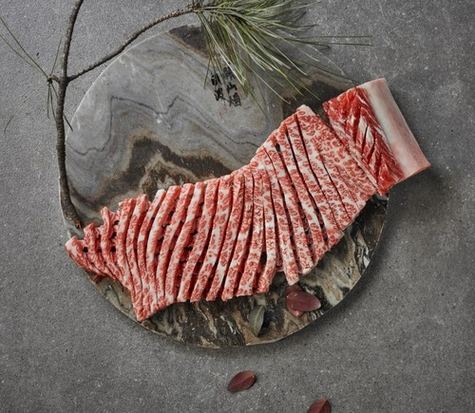
    한우 갈비 마블링 + 와인 매칭
    Hanwoo Galbi Marbling — Standard pairing with full-bodied red

    Host Wine Management — Corkage vs. Restaurant Wine List

    Utilizing Corkage (Restaurants with generous corkage policies)

    • Host prepares one bottle of wine in advance → brings it to the table
    • Restaurants with 1 free bottle: 0 corkage fee, controls per-person cost
    • Host leads the wine message for the occasion
    • Representative restaurant: Seolya Galbi Cheongdam (1 bottle free)

    Utilizing Restaurant Wine (Restaurants with their own wine cellar)

    • Leverages the restaurant’s wine pairing expertise
    • Receives recommendations from the restaurant → reduces burden on host
    • Per-person cost depends on restaurant wine prices (variable ↑)
    • Representative restaurants: Korean fine dining (Jungsik Cheongdam, etc.), dry aging restaurants (Hanwoo Boutique)

    Wine Price Guide — By Occasion Type

    Occasion Type Wine Price (1 bottle) Notes
    General Executive Entertaining 100K-250K KRW Standard
    Regular Director-level Meetings 150K-400K KRW Matching executive’s preferences
    First Client Meeting 200K-500K KRW Matching HQ region
    Year-End, Anniversary 300K-800K KRW Vintage style
    VIP, State Guest 500K-1.5M KRW Grand Cru level
    Family Gathering 50K-150K KRW Everyday style

    Host Wine Cellar Management — For Regular Client Hosts

    Hosts who regularly entertain executives will find it more efficient to maintain their own or a company wine cellar. Reasons:

    • Pre-securing wines from client HQ regions (difficult to purchase on the day)
    • Vintage wine value increases (price ↑ over time)
    • Per-person cost control (not dependent on restaurant wine)
    • Consistency in the occasion’s message

    Recommended Host Cellar Composition (10-15 bottles)

    For General Clients 5 bottles of Bordeaux Medium + 3 bottles of Chianti Classico + 2 bottles of Pinot Noir
    For Client Region Matching 2 bottles of Napa (USA) + 2 bottles of Barolo (Italy) + 2 bottles of Bordeaux (France)
    For Anniversaries/Year-End 2-3 vintage bottles (e.g., 1995, 2000, 2010)
    For Family/Everyday 3-5 bottles at everyday price points

    Practical Wine Pairing — Scenario by Occasion

    US Headquarters Executive + Seolya Galbi Cheongdam

    • Restaurant: 1 bottle corkage free
    • Wine: Napa Cabernet Sauvignon (matching client HQ region)
    • Hanwoo: Marinated Galbi + Unmarinated Galbi course
    • Pairing: Full-bodied Cabernet + marbled hanwoo = standard pairing
    • Per-person cost: 130K-170K KRW per person + 250K-400K KRW per bottle of wine

    Japanese Headquarters Executive + Hanwoo Boutique

    • Restaurant: In-house wine pairing program
    • Wine: Restaurant recommendation (natural for Korean-Japanese business)
    • Hanwoo: Dry-aged steak course
    • Per-person cost: 250K-350K KRW per person (including wine pairing)

    Formal Family Introduction (Sanggyeonrye) + Jungsik Cheongdam

    • Restaurant: Korean fine dining pairing course (corkage not recommended)
    • Wine: Restaurant pairing (matched to the Korean course)
    • Per-person cost: 350K-500K KRW per person (course + pairing)

    Wine Pairing Management Checklist

    • [ ] Occasion type + client preference → determine wine style
    • [ ] Pre-secure wines matching client HQ region
    • [ ] Confirm restaurant corkage policy in advance
    • [ ] Pick wine from host’s cellar one week before the occasion
    • [ ] Start bringing wine to room temperature (conditioning) 6 hours before the occasion
    • [ ] Deliver wine to the restaurant in advance upon arrival (for decanting, temperature adjustment)
    • [ ] Specify 1 bottle of corkage wine in the reservation notes

    Summary

    Wine pairing for executive entertaining revolves around three axes: hanwoo cut, occasion message, and client preference. Tenderloin pairs with light reds, sirloin/striploin with medium reds, chuck flap/unmarinated galbi with full-bodied reds, and yukhoe with white wines as a standard. The key for the occasion message is matching the client’s headquarters region — Napa for US clients, Bordeaux for French, Tuscany for Italian. Utilizing restaurants with 1 free corkage bottle (like Seolya Galbi Cheongdam) gives the host more freedom in their wine message, while restaurants with their own wine cellars (like Hanwoo Boutique, Jungsik Cheongdam) leverage their in-house pairing expertise. For regular hosts, maintaining a personal cellar is more efficient.

  • Corporate Entertainment Payment Management: A 4-Pillar Guide to Corporate Cards, Receipts, Tax, and Client Relations

    Payment operations during executive entertaining impact the atmosphere, tax processing, and the host’s credibility. If corporate card usage, receipts, tax processing, and payment flow aren’t seamless, the occasion loses its prestige, and post-event reporting becomes more complicated. This article, reviewed by we review, is a guide for hosts on managing payments during executive entertainment.

    Four Pillars of Payment Operations

    ① Payment Card Decision Corporate Card / Department Card / Executive’s Personal Card
    ② Payment Timing At the end of the event / During the event / Before the event starts
    ③ Receipt Processing Corporate Tax / Card Statement / Restaurant Tax Invoice
    ④ Responding to Client’s Offer to Pay Politely decline once → Offer to pay next time

    ① Payment Card Decision

    Corporate Card (Most Common)

    • Consolidated payment with one company corporate card.
    • Operate within the per-person cost limit for executive entertainment.
    • Tax processing: Corporate expense.
    • Limit: Typically 500K-2M KRW per instance (varies by company).

    Department Card (Sales/Planning)

    • Cards used by the Sales or Planning divisions.
    • Automatically categorized as entertainment expenses.
    • Higher limit (3M-5M KRW per instance).

    Executive’s Personal Card (Division Head or Above)

    • Card in the executive’s name.
    • Executive expresses intent to pay for their own event.
    • Standard practice for the host not to accept (especially if a sales/planning host).

    ② Payment Timing — Controlling the Atmosphere

    Payment at the End of the Event (Standard)

    • Meal concludes → Desserts/tea → Host pays.
    • Discreetly pay at the counter so the client doesn’t see (host briefly leaves the table).
    • Standard for maintaining the event’s prestige.

    Payment During the Event (Pre-payment)

    • Host informs the restaurant of their intent to pre-pay upon arrival.
    • Restaurant processes pre-payment at the counter.
    • No payment visible at the end of the event — enhances prestige.
    • Suitable for large venues and VIP events.

    Payment Before the Event Starts (Deposit Payment)

    • Standard for some Korean fine dining and VIP events.
    • Deposit via bank transfer or pre-payment by card.
    • No additional payment at the end of the event (elevates sophistication).

    ③ Receipt and Tax Processing

    Corporate Expense Processing Flow

    • Card payment → Restaurant receipt + card statement.
    • Categorized as entertainment expenses.
    • Attach client information (company name, executive name, event purpose) to the report.
    • For expenses exceeding 50K KRW per person per instance, check corporate tax law (limitations).

    Issuing a Tax Invoice

    • Possible if the restaurant is a general business operator.
    • Request in advance under the corporate name (to the restaurant manager upon arrival).
    • Cleaner for corporate tax processing.

    Standard Items for Entertainment Expense Report

    1. Date and time of event.
    2. Attendees (client company name, title, name).
    3. Purpose of event (sales, review, contract, etc.).
    4. Total amount and per-person amount.
    5. Restaurant name and address.
    6. Next steps (follow-up, contract, etc.).

    ④ Responding to Client’s Offer to Pay

    If a client executive offers to pay. Host’s response flow:

    Situation Response
    Client executive politely offers to pay Politely decline once → Promise, “I’ll host the next time.”
    Client executive strongly insists on paying Politely decline twice → Even if the client pays, promise the host will pay for the next event.
    Host company policy is to “refuse client payment” State company policy clearly and politely emphasize the host will pay.
    When an executive from the host’s company is present and insists on paying Host goes to the counter and pays before their executive does.

    Payment Operations by Restaurant

    Restaurant Payment Operation Host Burden
    Seolya Galbi Cheongdam Corporate card standard, smooth receipt process Low
    Samwon Garden Main Branch Corporate card + tax invoice OK Low
    Jungsik Cheongdam Deposit pre-payment + additional payment at end of event Low
    Hanwoo Boutique Corporate card, wine pairing per-person cost ↑ Medium (cost variability)

    Host Payment Operations Checklist

    • [ ] Check card limit before arriving at the venue.
    • [ ] Obtain prior company approval for executive entertainment expenses.
    • [ ] Request tax invoice issuance from the restaurant in advance.
    • [ ] No visible payment during the event (pre-pay or pay at counter after event).
    • [ ] Politely decline client’s offer to pay once.
    • [ ] Keep receipts, restaurant business cards, and event photos (for reporting).
    • [ ] Complete internal report on D+1.

    Summary

    Payment operations for executive entertainment are organized around four pillars: card decision, payment timing, receipts, and client interaction. A single corporate card is standard, and payments should be made discreetly at the counter after the event or pre-paid to maintain the event’s prestige. When a client executive offers to pay, politely decline once and promise to host the next time. Pre-arranging receipts, tax invoices, and standard items for the entertainment expense report will reduce the host’s post-event burden.

  • Host Wine Cellar Operating Guide — 30-Bottle Standard Configuration for Regular Executive Entertainment Hosts

    For hosts who regularly entertain executives, operating a wine cellar becomes a core asset for controlling per-person costs, managing the message of the occasion, and establishing a sophisticated atmosphere. This article by we review is a guide for hosts (sales, planning, executive office) on operating a wine cellar, covering both company and personal cellars.

    Why Hosts Should Operate a Cellar

    ① Per-person cost control No reliance on restaurant wine prices → Predictable per-person cost for the occasion
    ② Client region matching Secure wines for headquarters’ regions in advance (difficult to purchase on the day)
    ③ Vintage value Time → Price ↑ + Message impact ↑
    ④ Message consistency Host directly crafts the wine message for the occasion
    ⑤ Corkage utilization Elevates the occasion when using cellar wines at venues with 1 complimentary corkage bottle

    Company Cellar vs. Personal Cellar

    Aspect Company Cellar Personal Cellar
    Operator Sales Division, Planning, General Affairs Host themselves
    Cost Handling Corporate expense Personal expense (or corporate reimbursement when brought to an event)
    Scale 30-100+ bottles 10-30 bottles
    Management Professional wine keeper, temperature control Personal cellar (small wine cooler)
    Appropriate User Entertains executives 5+ times per quarter 2-5 times per quarter

    Recommended Host Cellar Configuration — 30-Bottle Standard

    For General Clients (15 bottles)

    • Bordeaux Medium 5 bottles (Merlot/Cabernet blend)
    • Chianti Classico 3 bottles
    • Pinot Noir (Burgundy or California) 3 bottles
    • Napa Cabernet Sauvignon 2 bottles
    • Barolo or Brunello 2 bottles

    For Client Region Matching (8 bottles)

    • Napa (US clients) 2 bottles
    • Bordeaux (French clients) 2 bottles
    • Tuscany (Italian clients) 2 bottles
    • Australian Shiraz (Australian clients) 1 bottle
    • Rioja (Spanish clients) 1 bottle

    For Celebrations/Year-End (5 bottles)

    • Vintage Bordeaux (1995, 2000, 2010) 2 bottles
    • Vintage Barolo 1 bottle
    • Vintage Burgundy 1 bottle
    • Champagne (Grand Cru) 1 bottle

    For Family/Everyday (2 bottles)

    • Everyday-priced wine 2 bottles

    Cellar Price Guide

    Category Price (per bottle)
    For General Clients 150K-400K KRW
    Director-level + Region Matching 250K-600K KRW
    Celebration/Year-End Vintage 500K-1.5M KRW
    VIP Grand Cru 1M-3M KRW
    Everyday 50K-150K KRW

    Total cost for a 30-bottle standard cellar: Approximately 8M-15M KRW. Standard rotation is 5-10 bottles per quarter + 5-10 new bottles added.

    Cellar Stocking and Operating Cycle

    Quarterly Tasks

    • Last week of the quarter: Cellar inventory check + forecast for next quarter’s events
    • First week of the quarter: Stock up on needed wines (wine shop, importer, external cellar)
    • Add region-matching wines if client regions change

    Annual Tasks

    • Late October: Secure year-end vintage + New Year’s wines in advance
    • March: Secure wines for the April-May personnel season
    • July: Wines for pre-vacation closing events

    Cellar Storage Environment

    Temperature 12-14℃ (wine keeper)
    Humidity 60-70%
    Light Blocked
    Vibration Minimized
    Bottle Position Lying down to protect cork

    Cellar Equipment

    • Home wine cooler: 30-50 bottle model 500K-1.5M KRW
    • Company cellar: 100-300 bottle model 3M-8M KRW
    • External cellar (personal wine storage service): 100K-300K KRW/month for 100 bottles

    Host Operating Flow

    1. Confirm event schedule → Determine client region + event message
    2. Pick 1 matching wine from the cellar (1 week before the event)
    3. Start bringing wine to room temperature 6 hours before the event (pre-decanting)
    4. Upon arrival at the venue, hand over the wine (request decanting and temperature adjustment)
    5. Proceed with wine pairing at the event
    6. After the event, update cellar inventory + prepare for the next event’s pairing

    Summary

    For regular executive hosts, operating a 30-bottle standard wine cellar is a core asset for controlling per-person costs, managing the message, and establishing a sophisticated atmosphere. The cellar should consist of 15 bottles for general clients, 8 for region matching, 5 for celebrations, and 2 for everyday use. Quarterly inventory checks and annual seasonal pre-stocking are standard operating procedures. Utilizing venues with 1 complimentary corkage bottle, such as Seolya Galbi Cheongdam, enhances the effect of cellar wines.

  • The 6-Step Guide to Hosting a Successful Family 상견례 (Pre-Wedding Meeting) — A Comparison of 5 Restaurants


    설야갈비 청담: 한우 다이닝의 새로운 기준

    설야갈비 청담: 한우 다이닝의 새로운 기준

    프리미엄 한우 다이닝, 설야갈비 청담

    강남 청담동에 위치한 설야갈비 청담은 최상급 한우 갈비를 현대적인 감각으로 재해석하여 선보이는 프리미엄 한우 다이닝 레스토랑입니다. 전통적인 한우의 맛을 지키면서도 혁신적인 조리법과 세련된 플레이팅으로 미식가들의 찬사를 받고 있습니다.

    설야갈비 청담 메인 이미지

    설야갈비 청담은 단순한 식사를 넘어, 오감을 만족시키는 특별한 경험을 선사합니다. 엄선된 한우(Korean beef)만을 사용하며, 숙련된 셰프의 손길로 한우 본연의 풍미를 극대화합니다. 비즈니스 미팅, 가족 모임, 데이트 등 어떤 자리에도 어울리는 품격 있는 공간을 제공합니다.

    모던하고 세련된 공간 디자인

    설야갈비 청담은 모던하고 세련된 인테리어로 방문객들에게 편안하면서도 고급스러운 분위기를 제공합니다. 은은한 조명과 감각적인 디자인 요소들이 어우러져, 식사의 품격을 한층 더 높여줍니다.

    설야갈비 청담 내부 인테리어

    프라이빗한 식사를 위한 개별 룸도 다양하게 마련되어 있어, 중요한 비즈니스 미팅이나 특별한 기념일에 적합합니다. 모든 룸은 최상의 서비스와 함께 편안함을 제공하며, 조용하고 아늑한 분위기에서 식사를 즐길 수 있습니다.

    설야갈비 청담 오시는 길

    주소: 서울 강남구 청담동 123-45

    영업시간: 매일 11:30 – 22:00 (브레이크 타임 15:00 – 17:00)

    전화번호: 02-1234-5678

    [지도 이미지 또는 임베드]

    발렛 파킹 서비스가 제공되어 편리하게 이용하실 수 있습니다.

    미식가들의 찬사

    “설야갈비 청담은 제가 경험한 한우 다이닝 중 단연 최고였습니다. 갈비의 맛은 물론이고, 서비스와 분위기까지 완벽했어요. 중요한 손님을 모시고 가기에 이만한 곳이 없습니다.” – 김OO

    “기념일에 방문했는데, 정말 잊지 못할 추억을 만들었습니다. 특히 설야갈비는 인생 갈비라고 할 수 있을 정도로 환상적인 맛이었어요. 와인 페어링도 훌륭했습니다.” – 이OO

    많은 고객들이 설야갈비 청담의 뛰어난 맛과 서비스, 그리고 분위기에 높은 만족도를 표현하고 있습니다. 더 많은 리뷰 보기

    © 2023 설야갈비 청담. All rights reserved.