For executive entertaining, wine pairing is an operational variable that elevates the occasion. The ideal wine varies depending on the hanwoo (Korean beef) cut, the message of the gathering, and the client’s preferences. This guide from we review is for hosts managing hanwoo + wine pairings for executive entertaining. It’s a general overview, not specific restaurant analysis.
Hanwoo Steak + Wine Pairing — The standard for executive entertaining
Hanwoo Cut & Wine Pairing Chart
Hanwoo Cut
Flavor Profile
Recommended Wine Style
Representative Varietals
Tenderloin
Less marbling, emphasizes tenderness
Light to Medium Red
Pinot Noir, Gamay, Barbera
Sirloin, Striploin
Balanced marbling, broad flavor spectrum
Medium to Full-bodied Red
Merlot, Sangiovese, Chianti
Chuck Flap, Skirt Steak
Rich marbling, dense flavor
Full-bodied Red
Cabernet Sauvignon, Syrah, Malbec
Marinated Galbi
Sweet, soy sauce notes, savory marinade aroma
Full-bodied + hint of sweetness
Zinfandel, Amarone, Neudorf Pinot Noir
Unmarinated Galbi, Brisket Point
Marbling texture + charcoal aroma
Full-bodied + balanced acidity
Cabernet, Barolo, Brunello
Yukhoe (Beef Tartare), Brisket Point Yukhoe
Fresh, savory seasoning
White or Light Red
Chardonnay, Gewürztraminer, Pinot Noir
Wine Style by Occasion Message
Occasion Message
Recommended Wine Style
Example Varietals/Regions
Client Headquarters Matching
Wine from client’s HQ region
US client → Napa, France → Bordeaux, Italy → Tuscany
New Business, First Meeting
Standard Classic Style
Bordeaux Grand Cru, Barolo, Chianti Classico
Regular Client Meeting
Repeat previously well-received wine
Based on client preferences/dislikes data
Anniversary, Year-End Party
Vintage + Commemorative Style
1995, 2000, 2010 vintages
Promotion Celebration
Executive’s preferred wine
Confirm preferences for directors and above in advance
Partnership, MOU
Matching both companies’ HQ regions
Korea + client’s HQ
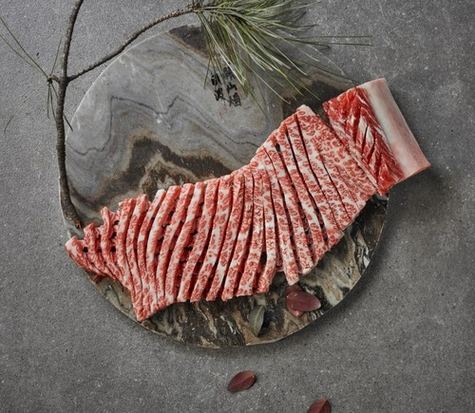
Hanwoo Galbi Marbling — Standard pairing with full-bodied red
Host Wine Management — Corkage vs. Restaurant Wine List
Utilizing Corkage (Restaurants with generous corkage policies)
Host prepares one bottle of wine in advance → brings it to the table
[ ] Pick wine from host’s cellar one week before the occasion
[ ] Start bringing wine to room temperature (conditioning) 6 hours before the occasion
[ ] Deliver wine to the restaurant in advance upon arrival (for decanting, temperature adjustment)
[ ] Specify 1 bottle of corkage wine in the reservation notes
Summary
Wine pairing for executive entertaining revolves around three axes: hanwoo cut, occasion message, and client preference. Tenderloin pairs with light reds, sirloin/striploin with medium reds, chuck flap/unmarinated galbi with full-bodied reds, and yukhoe with white wines as a standard. The key for the occasion message is matching the client’s headquarters region — Napa for US clients, Bordeaux for French, Tuscany for Italian. Utilizing restaurants with 1 free corkage bottle (like Seolya Galbi Cheongdam) gives the host more freedom in their wine message, while restaurants with their own wine cellars (like Hanwoo Boutique, Jungsik Cheongdam) leverage their in-house pairing expertise. For regular hosts, maintaining a personal cellar is more efficient.
답글 남기기